

National Environmental Policy Act
- TAKE ACTION! — Tell Congress: Don’t mess with our air and water!
- NEWS RELEASE: Over 100 groups call for Congress to defend the National Environmental Policy Act! Check out the group sign-on letter.
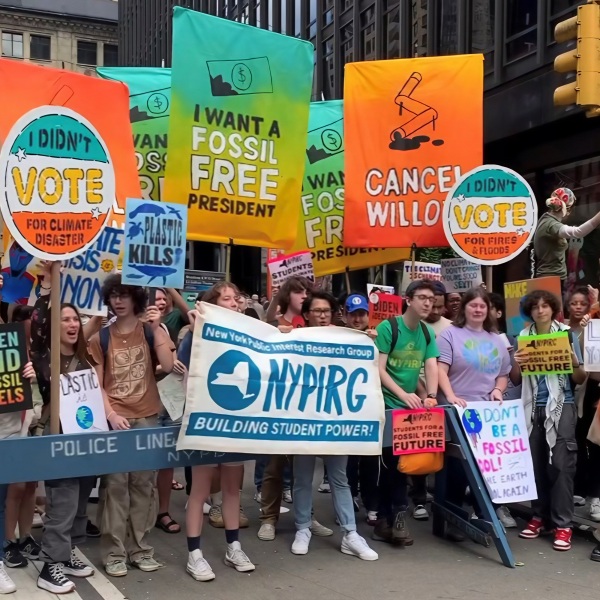
Protect Our Nation’s Bedrock, Bipartisan Environmental Laws
The Clean Water Act, the Clean Air Act, and the National Environmental Policy Act (NEPA) are under attack. These laws have been used to protect Americans for over 50 years, and it is time to make it clear to Congress that we will not stand by as they are dismantled. In the summer of 2025, a “pay to pollute” permitting process (H.R. 1) — which undermines NEPA by fast-tracking the permit process for applicants who pay a fee — was passed by Congress and signed into law by President Trump. This move may make it easier for the fossil fuel industry to skirt meaningful participation from the community.
Testifying on how a project will impact the public’s health and safety is a core democratic right. This protection ensures thoughtful decision-making, community education, and a process that can identify projects that present an unacceptable risk like the Danskammer Generating Station, an old power plant in Newburgh, NY that was proposed to be replaced with a full-time fracked gas plant. The project that was ultimately rejected due to the permitting process that allowed for community impact reviews and public input.
The people of New York have demonstrated time and again that they are invested in meeting the climate crisis by phasing out fossil fuels. Delays in the transition to renewable, clean energy do not align with the scientific consensus on climate change and threaten the more than 184,000 clean energy sector jobs in the state.
New York Needs NEPA
Permitting “Deform” Cuts the Public Out
Efforts to gut environmental laws are often called “permitting reform,” because the goal is to make it easier for projects to receive permits from the federal government — even if they would otherwise be found to be destructive. This will mean continued dependence on fossil fuels, increased pollution in our communities, and fewer protections against harmful projects — from power plants to hyperscale data centers.
NEPA codifies procedures that determine the potential environmental impacts of project proposals. The Environmental Assessments or Environmental Impact Statements required under NEPA allow adequate time for public engagement and comment and ensure thoughtful decision making on federal projects.
In the fall of 2026, the U.S. Senate introduced a new bill taking aim at NEPA and the Clean Air and Clean Water acts, titled the Bipartisan American Affordability and Jobs Act (BAAJA). This bill argues that we must sacrifice public participation and protection in order to allow for rapid, unregulated development, regardless of whether that development is an energy transmission project, a solar farm, or a fracked gas power plant or hyperscale data center.
BAAJA also includes a sinister provision called “permit certainty” that guarantees that once a permit is received, it is active forever, restricting future federal administrations from reversing course or intervening. BAAJA directly undercuts states’ abilities to regulate air and water pollution, and instead hands over that power to the federal government. The bill weakens Clean Water Act safeguards, which will lead to more pollution of our waterways and fewer options for recourse. Some supporters in Congress say that fast-track permitting processes will lead to more renewable energy projects, not just fossil fuel projects. However, the current federal administration is attacking — not supporting — renewable energy projects as we speak. And every new fossil fuel project is a dangerous leap in the wrong direction, particularly for Environmental Justice communities.
We Cannot Afford to Move Backwards
New fossil fuel projects will make New Yorkers sick and cut lives short, increasing healthcare costs amidst an ever-growing cost of living crisis. This is the last thing that New York families need at a time when the congressional majority and the White House have made devastating cuts to Medicare and Medicaid. Additionally, New York’s Climate Plan found that the cost of inaction (continued reliance on and expanded use of fossil fuels) would cost New Yorkers $115 billion more than the cost of transitioning off fossil fuels entirely.
Congress has signaled plans to attempt to pass BAAJA in the lame-duck session after Election Day 2026 and before the end of 2026. That does not give us much time to voice our opposition. The BAAJA bill would limit the scope of environmental review, restrict public participation, and weaken state and Tribal authority. New York State cannot sacrifice the ability to safeguard our air, land, and water and allow Congress and the federal administration to steamroll our safety standards and greenlight harmful projects.
Take Action
Please take a minute to contact your congressional representatives, including New York’s U.S. Senators, and tell them to protect your right to clean air and water and a healthful environment as outlined in the New York State Constitution, and to reject attempts to stymie public participation in decisions that impact our air and water.
*Use NYPIRG’s Representative Finder to find your federal representatives and get their contact information.
Sample message:
Hello, my name is [YOUR NAME] and I am a constituent from [YOUR MUNICIPALITY], NY. I am calling on you to reject attempts to curb public participation in decisions that impact our air and water. This means standing up to defend the National Environmental Policy Act, the Clean Air Act, and the Clean Water Act from federal attacks, and rejecting “permitting reform” and the new Senate bill, the Bipartisan American Affordability and Jobs Act. I am concerned that these deregulation efforts will lead to more polluting projects and data centers in our communities, and leave us defenseless against them. Thank you.